



 EspañolEspañol
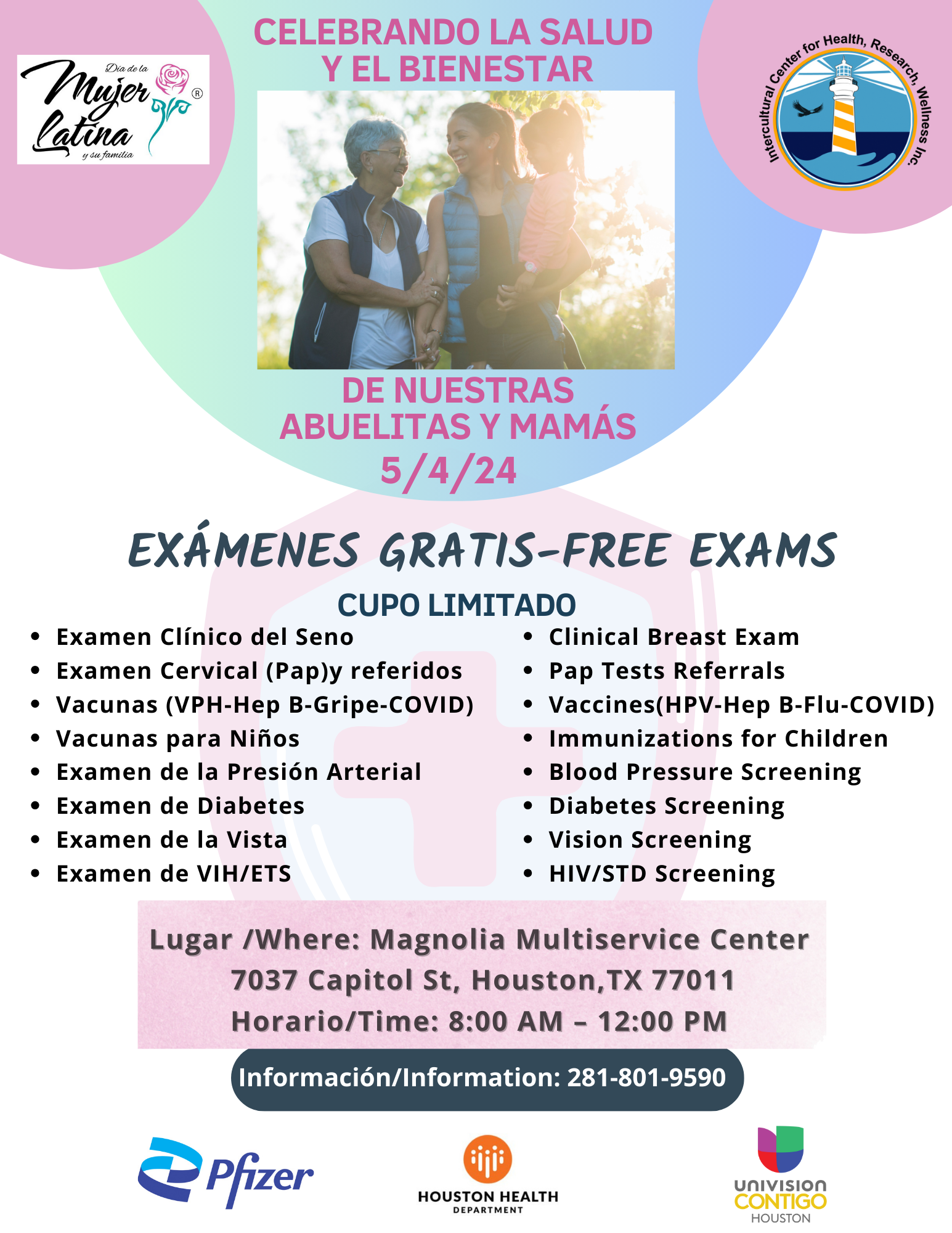
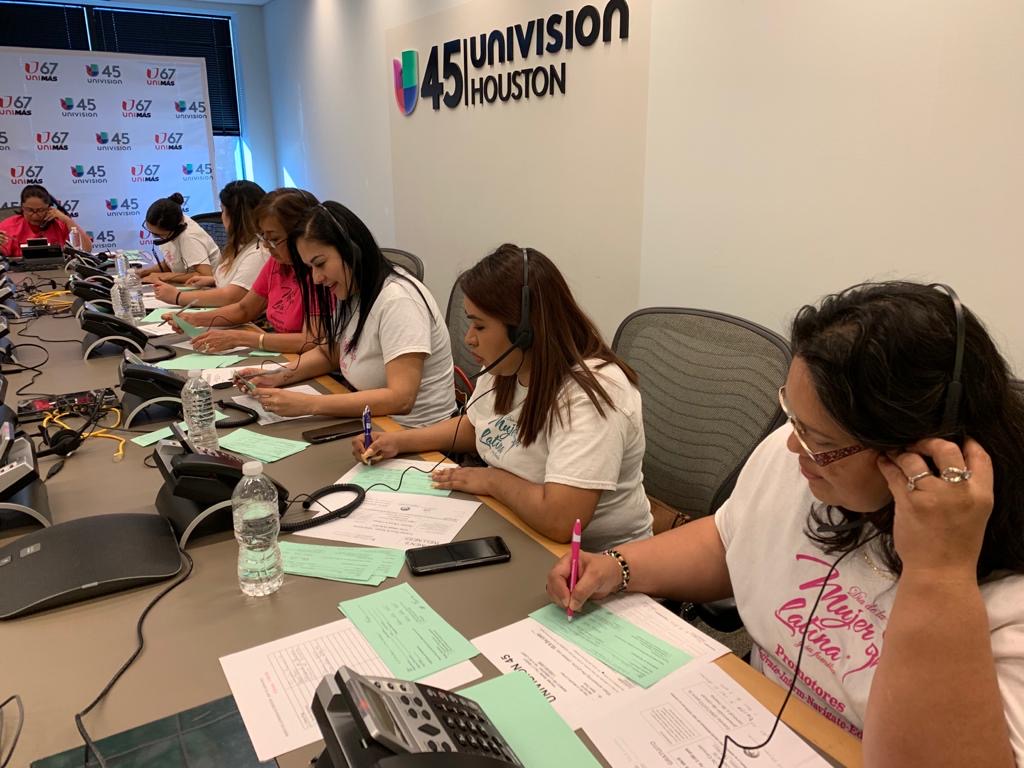
 The mission of Día de la Mujer Latina is to promote healthy behaviors within the underserved Latino community by providing a culturally and linguistically proficient education, facilitating early detection screening, culturally preventative care interventions; promoting wellness with resource information, Promotores/Community Health Workers training and Patient Navigation for follow-up services.
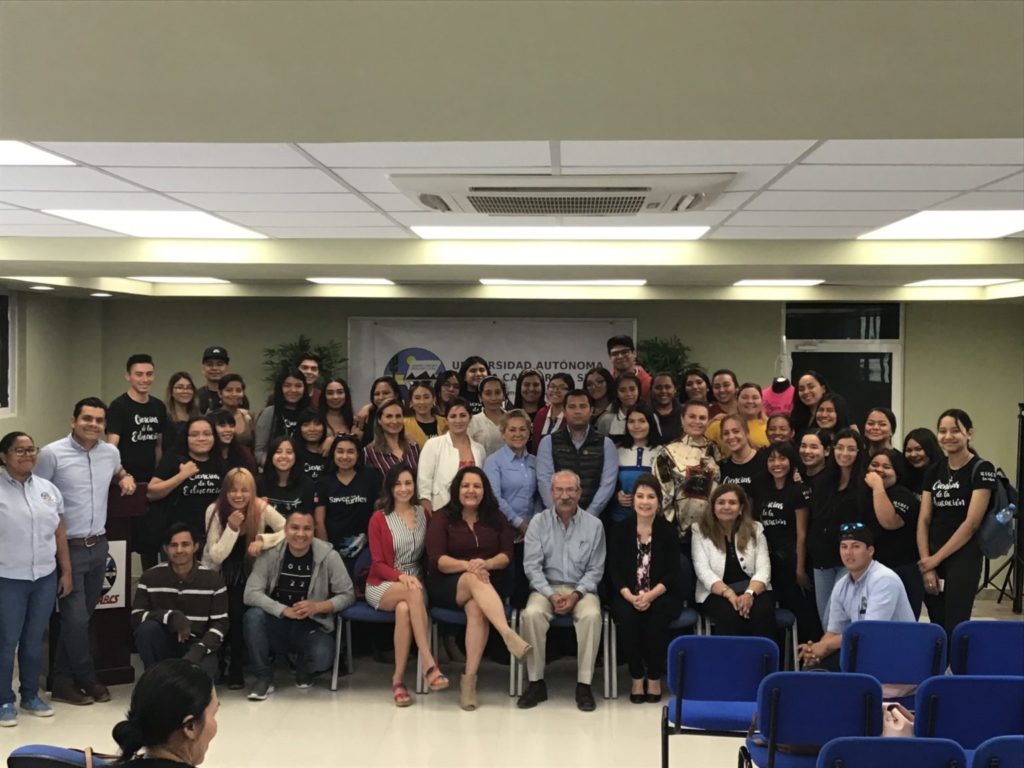
Since 1997, Día de la Mujer Latina (DML) has earned national recognition as a Latino community-based organization (CBO), founded by a Latina breast cancer survivor, dedicated to eliminating health disparities within the Latino community in 39 states, Puerto Rico, Mexico and the Dominican Republic. Its focus on providing culturally proficient health education and facilitating
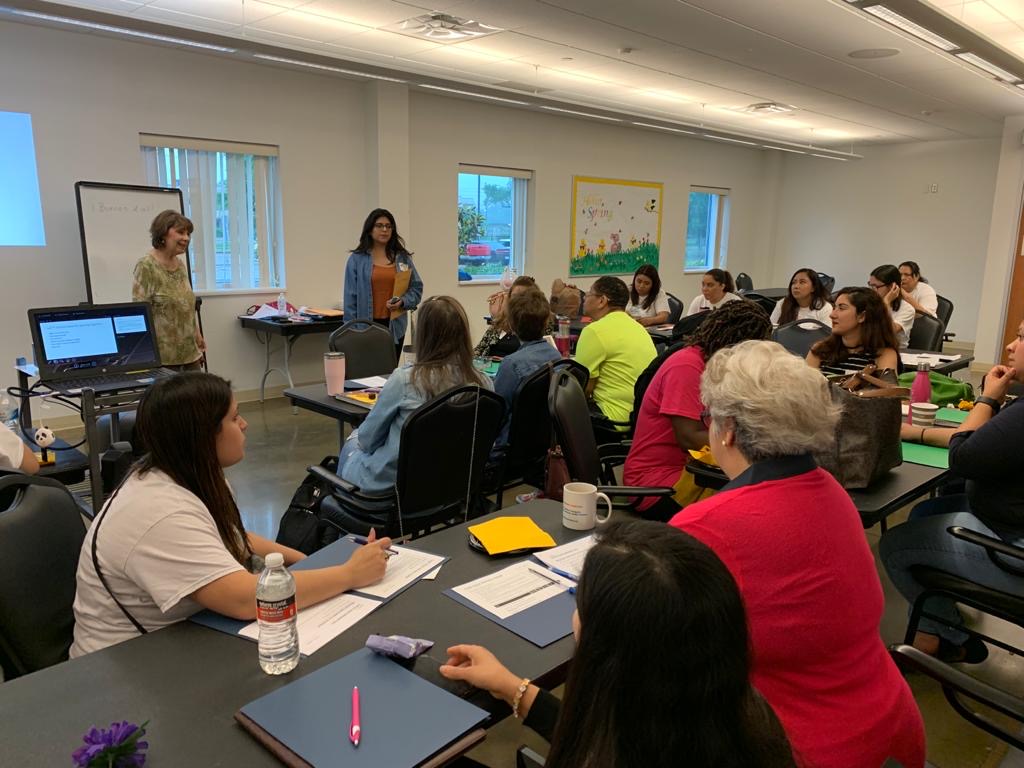
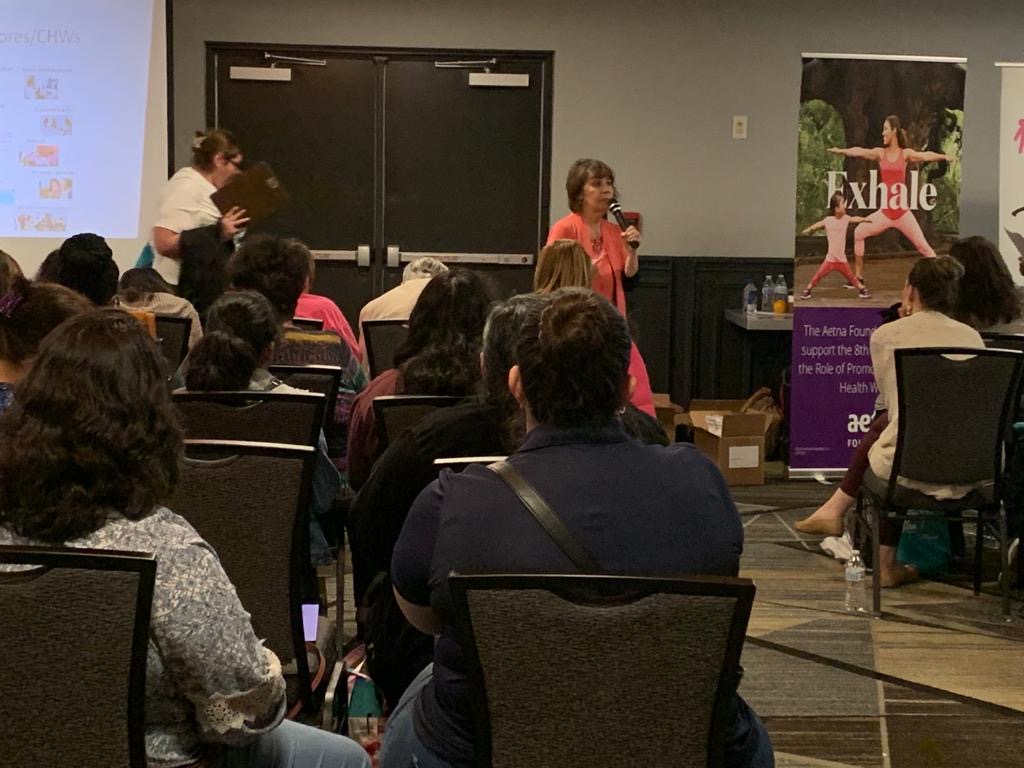
early detection screening is a result of its successful signature bilingual training modules for Promotores/CHWs. This bilingual comprehensive curriculum includes training modules in areas such as community engagement, patient advocacy, principles of health promotion, chronic disease management, patient navigation, behavioral health navigation and telehealth community navigation.
President/Founder Executive Board
Attorney
MD – Medical Director
Women’s Health Surgeon
Honorary Board Member
Episcopal Health Foundation
Vice President for Research Innovation and Advocacy
Nurse Practitioner